
Proptech Funding Runs at $8.7 Billion Through August as Investors Shift to AI and Construction Tech
Deal count falls to 794 transactions from more than 2,400 in 2019, while four of the five largest rounds close outside the United States.
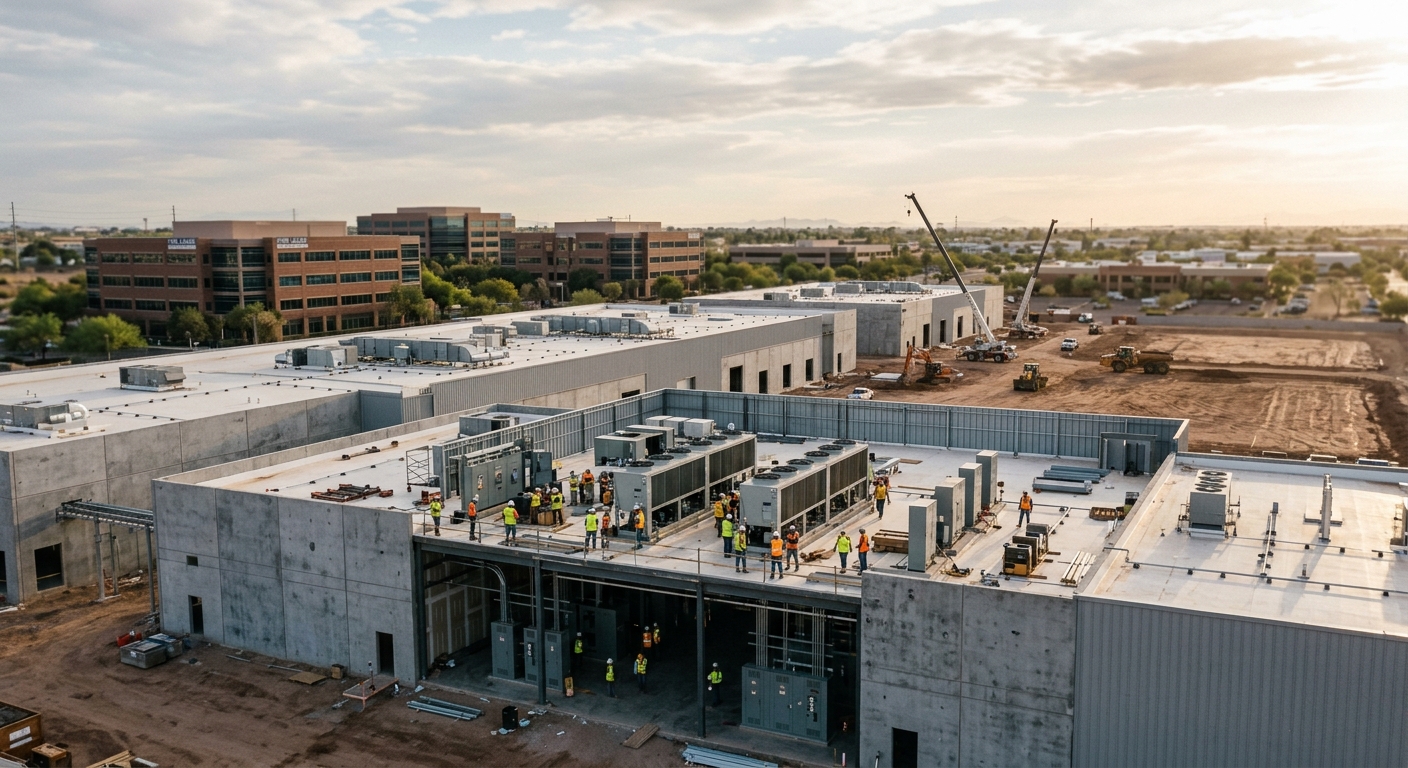
Surging appetite for hyperscale infrastructure is driving conversions of obsolete industrial and office assets into server facilities, with institutional capital viewing the sector as a defensive tech play.

Venture investors are backing software platforms that automate leasing, underwriting, and property management as commercial real estate seeks cost savings.

The real estate portal introduces conversational AI tools as proptech companies accelerate product experimentation and pursue renewed venture backing.

AI-driven underwriting, portfolio analytics and tenant-experience platforms are reshaping how family offices manage real-estate exposure.

Selective family offices are piloting tokenized equity in real-estate special-purpose vehicles, citing transparency and secondary-market liquidity.

Treasury automation, capital-call workflow and consolidated reporting tools are now standard inside scaled single-family offices.

The construction firm will give technology companies access to live projects across the UAE to test innovations in artificial intelligence, robotics and sustainable materials.

Matt Fischer, who joined the transaction-management platform earlier this year, says fragmented software stacks force agents to become system integrators instead of client advisors.

At least 15 proptech startups raised seed funding in that range through August, with AI-powered platforms drawing the largest checks.

Casca and Lama AI closed Series A rounds this month while Klarna's credit-loss provision fell to 0.52% of volume, down from 0.56% a year earlier.

Stewart's Hint app flags maintenance needs and expiring warranties while Elliman forms dedicated AI team to reduce operating expenses over three years.

Andreessen Horowitz and Bessemer Venture Partners are in talks to lead the round for the property-management AI startup, which hit $100 million in annual recurring revenue in early 2025.

Invespy opens Sheikh Zayed Road hub offering workspace, training and developer access as competition intensifies among off-plan launches.

Four companies launched products this week targeting mortgage access, listing prep, brokerage automation and homebuying costs.

Agents using the 3D tour product on most of their listings win 35% more business than peers who skip it, the portal said.

Major landlords are developing in-house artificial intelligence platforms, yet venture capital deployed $16.7 billion into proptech startups in 2025.

As automation spreads from income verification to risk assessment, finance firms confront questions of accountability when algorithmic decisions go wrong.

Machine-learning platforms promise efficiency gains in underwriting and operations, but data quality and integration problems are holding back meaningful results.
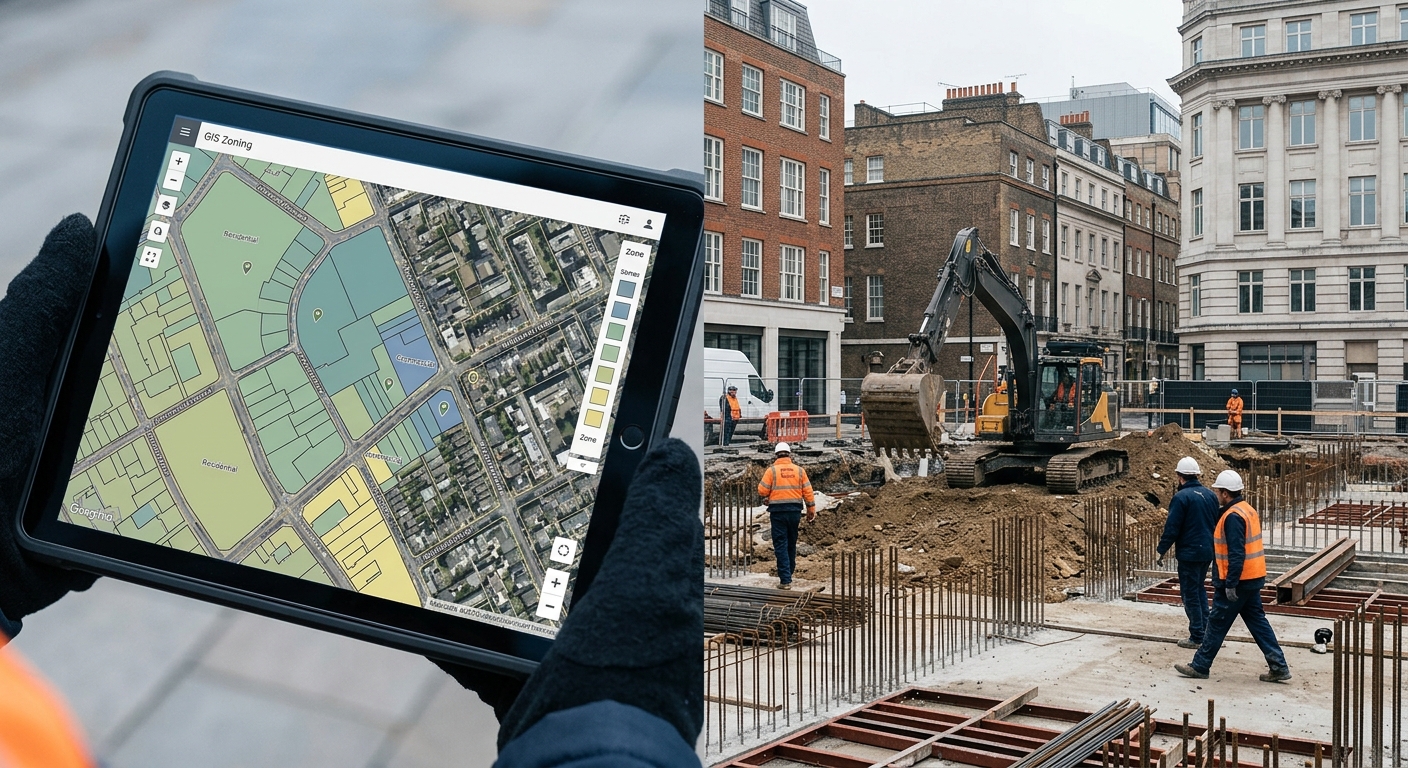
AI-assisted zoning and entitlement tools are shortening deal timelines and reshaping how investors source opportunities.

Washington-based proptech claims its platform cuts manual workflows by 80 percent across 350 million square feet while addressing a 15 percent fill rate for facilities roles.

A flurry of launches targeting certificate renewals, buyer follow-ups and pricing validation underscores mounting operational pressure on residential property managers.

San Francisco proptech company raises Index Ventures-led round to expand multi-agent infrastructure analysis system deployed across more than 100 institutional projects.

REITs and property managers are scaling machine-learning platforms to automate leasing, optimize rents, and forecast occupancy after years of experimentation.

The real estate platform centralises transaction tasks, documents and market insights across four stages of the buying journey.
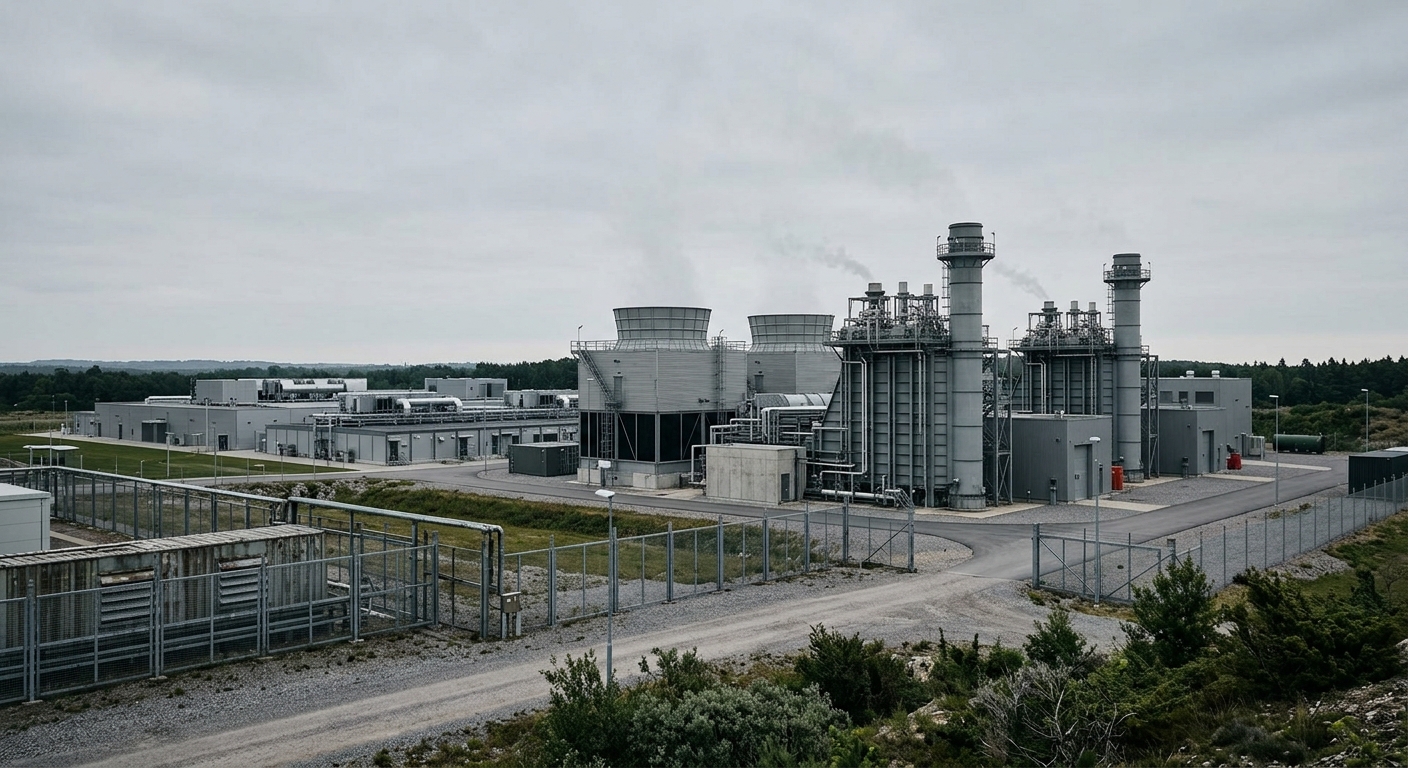
Regulators are accelerating approvals for new generation projects tied to digital infrastructure, raising questions about long-term community costs.
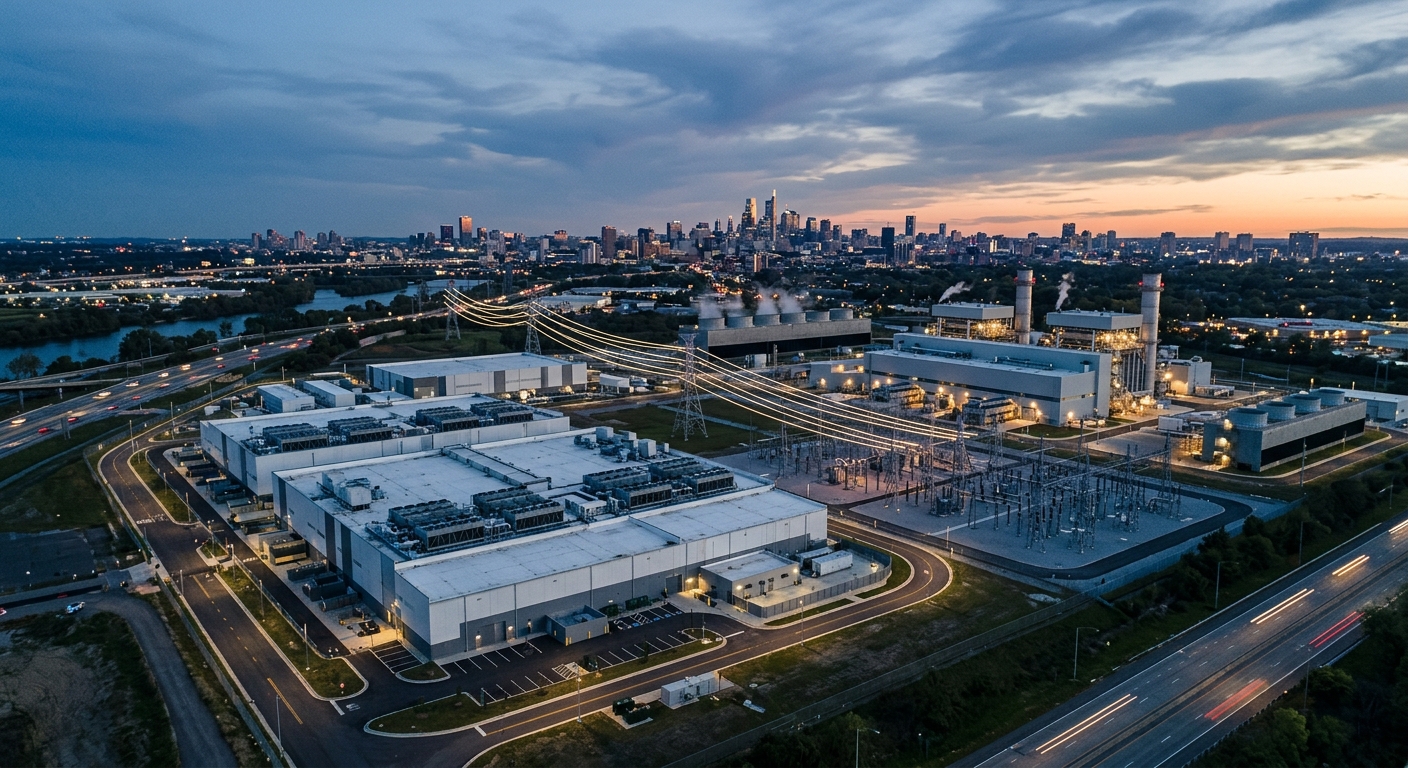
Vertical integration of generation and data center operations reshapes site selection and financing as AI workloads drive demand for grid capacity.

Chatbots, predictive maintenance and unified dashboards are pulling commercial operators out of the weeds and into strategic planning.

An $770 8K gimbal and impending DJI product launches mark the latest hardware cycle for real estate capture professionals.

Platform automating tender analysis and bid submissions secures high six-figure funding from construction software veteran and private investors.

MIT research shows 95% of enterprise AI pilots produce no measurable impact, but purpose-built workflow tools are delivering returns in lease abstraction and document processing.

U.S. and European regulators are examining algorithmic decision-making in real estate marketplaces and tenant-screening tools.

Balcony secures funding to build digital infrastructure linking fragmented land records across more than 3,000 county offices.

Denver-based proptech targets pre-construction workflows with computer vision tools designed to reduce manual document review timelines from weeks to days.

The 480-unit downtown tower promises festival perks and nightclub access as Florida remains the only U.S. market where branded residence development accelerates.

REA India's stake in the listed proptech firm will rise to 24.9 percent following the all-equity deal, which is subject to shareholder approval on August 14.

The construction software firm will integrate autonomous commissioning into a single lifecycle offering spanning design through operations.

Indian proptech firm reports 57% revenue growth and 1,590 basis-point margin expansion as it completes acquisition of online marketplace with 58 million monthly visits.

Half of real estate leaders now pilot artificial intelligence tools, but governance gaps persist as firms shift focus from back-office automation toward leasing and resident engagement.

The digital materials marketplace has signed up 20,000 construction companies in 18 months and will deploy fresh capital to automate quotation and planning workflows.

Matt Fischer, who spent 22 years scaling recruiting software firm Bullhorn, says fragmented real estate tech stack creates opening for platform consolidation over point solutions.

The publicly-traded apartment developer will deploy enterprise software to accelerate early-stage design scenario modelling and investment decision workflows.

New platforms integrate sensors, access control and utility data into unified digital twins, enabling remote oversight and energy management for office and industrial owners.

Commercial property owners deploy sensor networks and predictive algorithms to optimize energy use and tenant experience, while investors warn of liquidity risk for outdated assets.

New cohort of technology firms applies artificial intelligence to lease underwriting, building operations and portfolio analytics as landlords seek efficiency gains.

Institutional managers deploy integrated technology platforms across portfolios while underwriting digital infrastructure in acquisitions.

Fortune 500 companies are doubling down on full-time office requirements, creating the first sustained demand signal for institutional real estate in years.